Master Builders has identified 10 Critical Risk Events as the risks most likely to cause fatalities and serious injuries on construction sites.
The identification of these 10 Critical Risk Events has been based on notifications of Significant Incidents and Alerts published by Workplace Health and Safety Queensland (WHSQ) and Prosecutions undertaken by the Office of the Work Health and Safety Prosecutor during 2023.
This is following several significant incidents in Queensland construction workplaces in 2023, which included falls of persons or objects, plant rollovers and persons being struck by hoisting equipment, including prosecutions to date in 2023 involving falls from height, craneage, electrical work, asbestos removal, unsafe plant, and a failure to manage contaminated atmospheres (silica).
Master Builders Queensland believes these incidents are preventable grass root risks. By managing these 10 critical risk events, a safer and healthier construction workplace will be achieved.
There are likely other Risk Events that must be managed in accordance with Queensland Work Health and Safety Legislation. A person conducting a business or undertaking (PCBU) must manage all risks to workers and refer to Queensland Work Health and Safety Legislation and Codes of Practice for information how to manage these risks.
Master Builders Queensland’s provides a range of health and safety tools for our members to access.
In addition, members can contact the Master Builders Queensland Health and Safety team via phone on 1300 30 50 10 or by email at whs@mbqld.com.au.
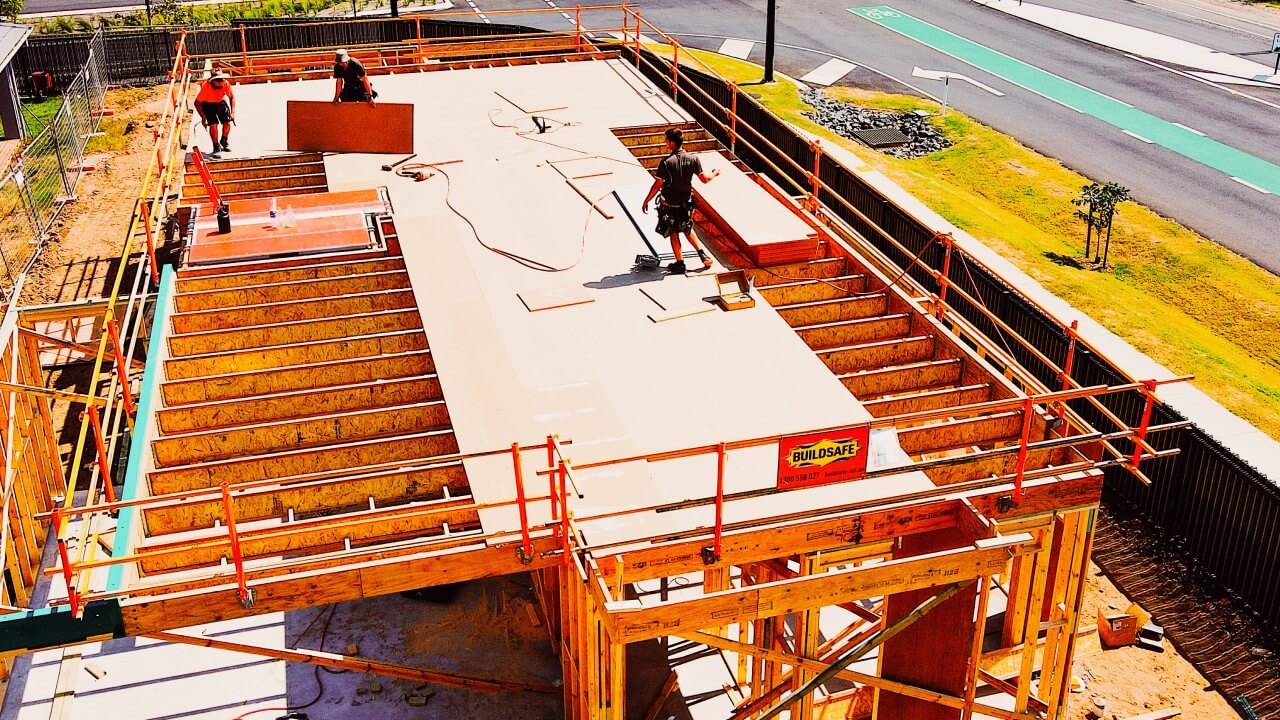
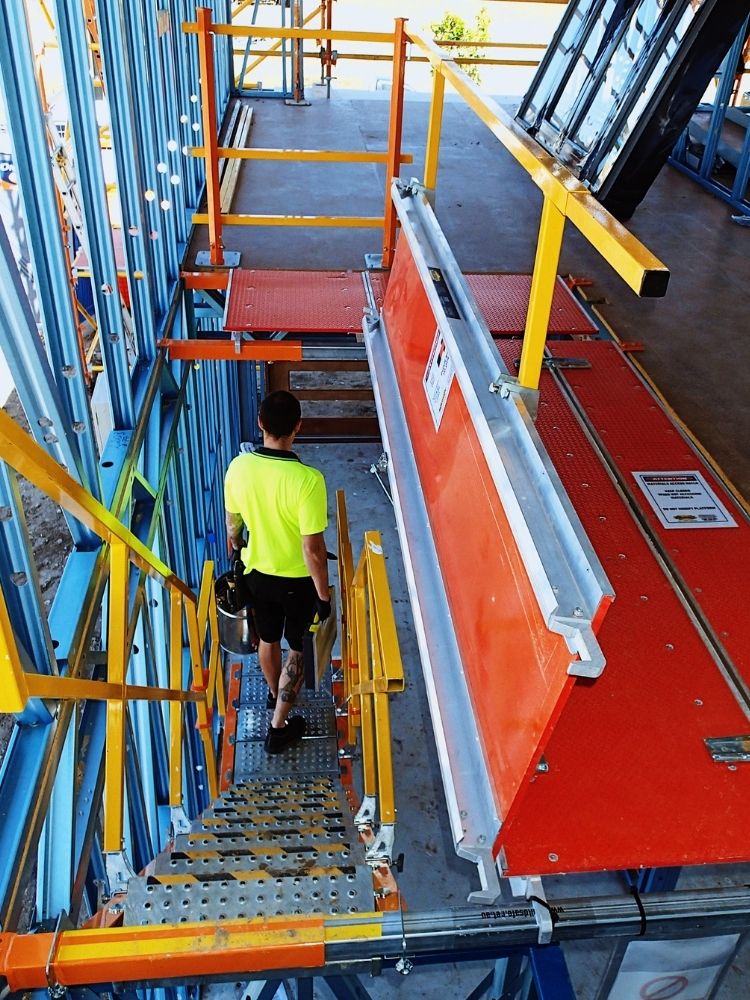
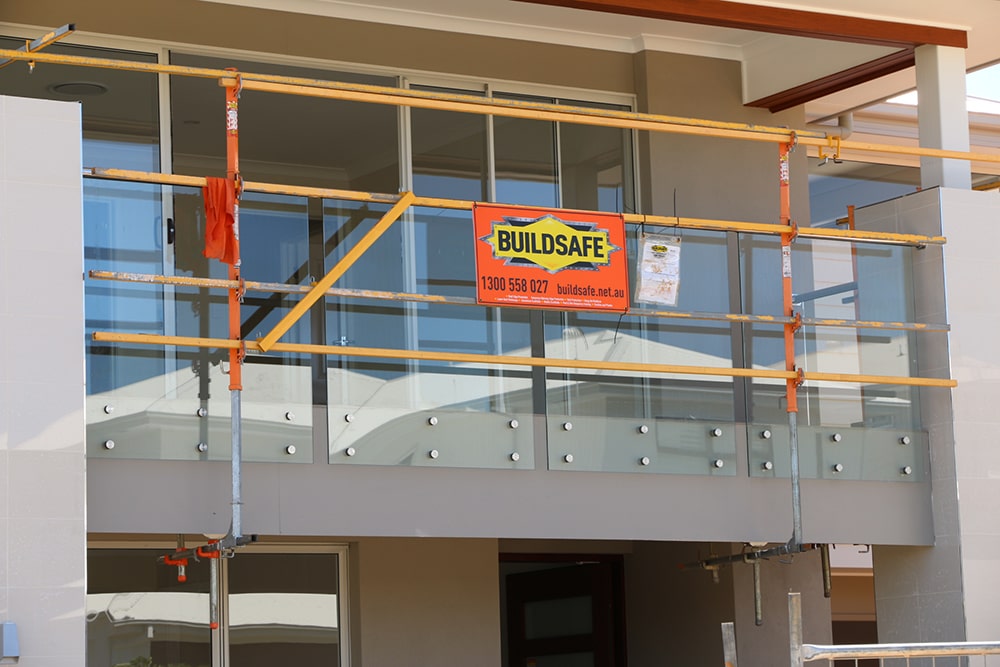
Event 1: Risk of person/s falling
Intent: To eliminate or minimise the risks of falls of one or more people falling off an unguarded edge, object, structure or opening that is likely to result in fatalities or injuries arising from working at height or from elevated work platforms. These critical controls do not manage the risk of slip or trips by one or more persons from the same surface level.
Reference: Managing the risk of falls at workplaces - Code of Practice 2021
High risk activity: Work where there is a risk of a person falling more than two meters.
Risks:
- Death (single/multiple) – worker or member of the public
- A permanently disabling injury (physical/psychological).
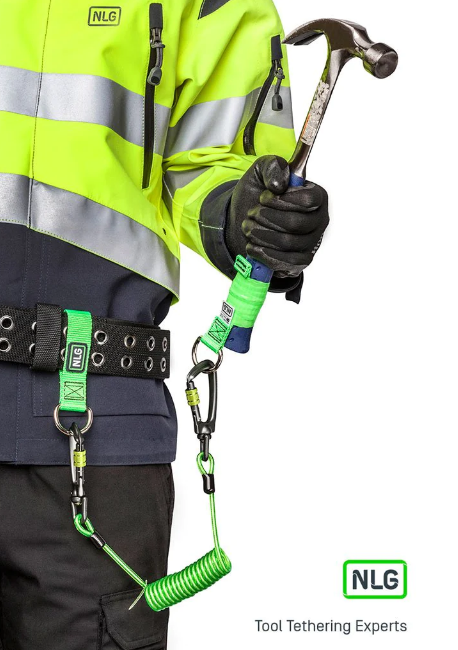
Event 2: Risk of materials and objects falling
Intent: To eliminate or minimise the risks of materials or objects falling off an edge, object, structure or opening resulting in fatalities, injuries and events arising from working at height or on elevated work platforms.
Reference:
- Managing the risk of falls at workplaces Code of Practice 2021
- CB class high risk work license includes bridge and gantry cranes.
High risk activity: There is no high-risk activity for this risk event. PCBU must identify, assess, and control all hazards and risks.
Risks:
- Death (single/multiple) – worker or member of the public.
- Permanently disabling injury (physical/psychological).
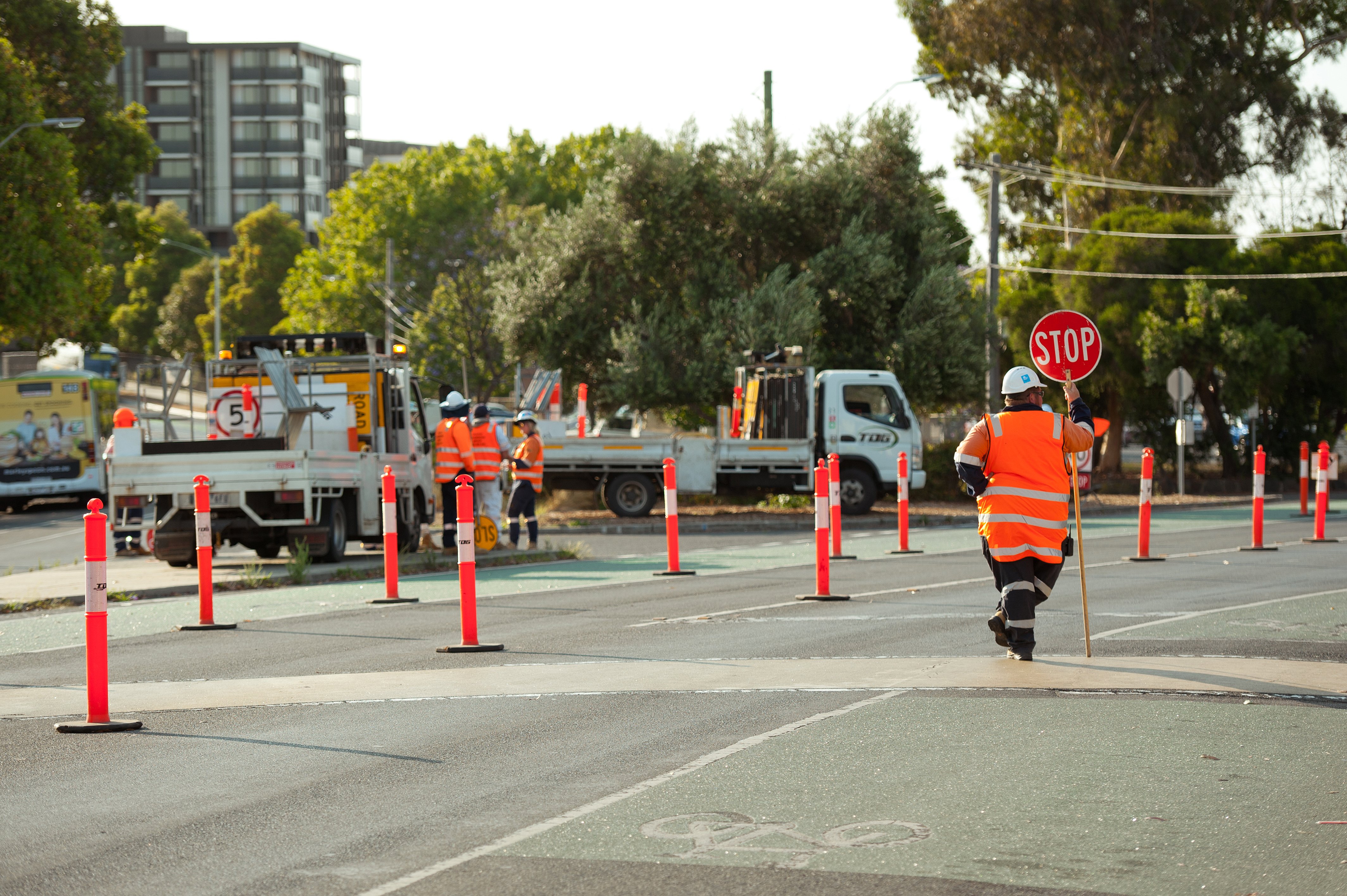
Event 3: Risk of working near vehicles and plant (work sites and public spaces)
Intent: To eliminate or minimise the risks associated with the operation and movement of vehicles and plant within construction zones and public spaces including heavy equipment, fixed and mobile plant where the adverse impacts could result in a fatality or serious injury.
Reference: Traffic management for construction or maintenance work Code of Practice 2008
High risk activity: Work in or adjacent to a road, railway, shipping lane or other traffic corridor that is in use by traffic other than pedestrians.
Risks:
- Death (single/multiple) – worker or member of the public.
- Permanently disabling injury (physical/psychological).

Event 4: Working on or near electrical energy
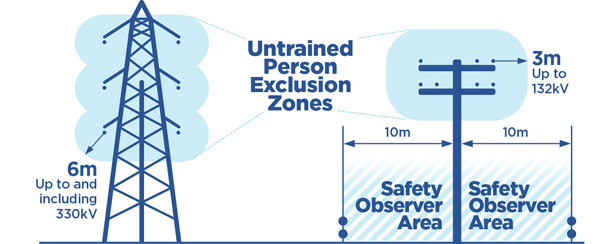
Intent: To eliminate or minimise the risks associated with the uncontrolled release of electrical energy from high voltage (HV) and low voltage (LV) electrical work where there is the risk of a fatality or serious injury from a person being electrocuted or burned by the uncontrolled release of electrical energy.
Reference:
- Electrical Safety Code of Practice 2020 – Working near overhead and underground electric lines
- Managing electrical risks in the workplace Code of Practice 2021
- Electrical Safety Code of Practice 2020 – Electrical equipment rural industry
High risk activity: Work on or near energised electrical installations or services.
Risks:
- Death (single/multiple) – worker or member of the public.
- Permanently disabling injury (physical/psychological).
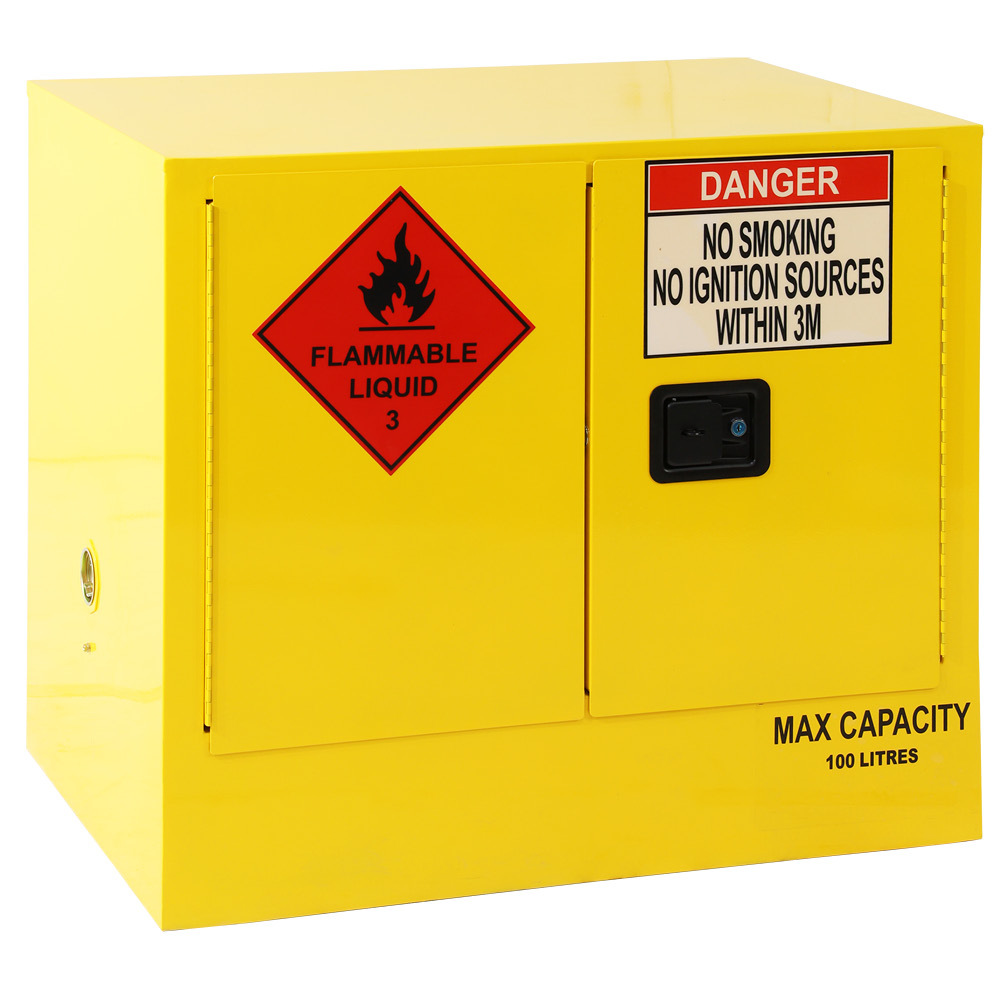
Event 5: Fire and explosion
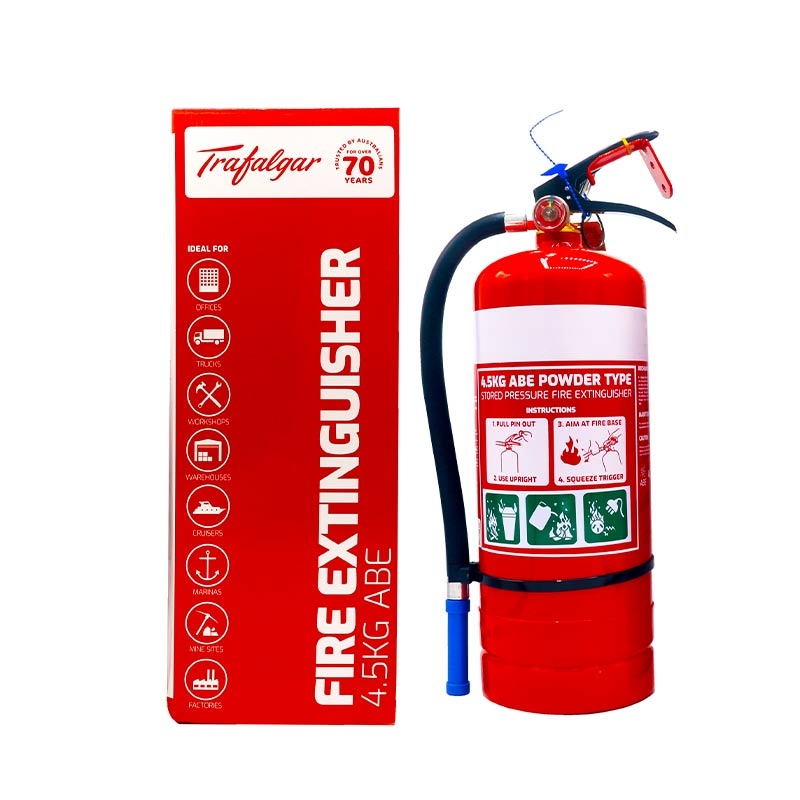
Intent: To eliminate or minimise the risks associated work where the treat of fire from hot works such as grinding or cutting, welding or oxy cutting or the heat from engines and exhausts, is a risk that may result in the fatality of one or more people.
Reference: Managing risks of hazardous chemicals in the workplace Code of Practice 2021
High risk activity: Work in an area that may have a contaminated or flammable atmosphere.
Risks:
- Death (single/multiple) – worker or member of the public.
- Permanently disabling injury (physical/psychological).
Event 6: Crane and hoisting equipment
Intent: To eliminate or minimise the risks associated all activities where loads are raised and lowered by tower and mobile cranes, barge cranes, recovery cranes, material and passenger hoists, gantry cranes, hoisting with excavators, gin poles (telecommunication tower erection), forklifts and telehandler type material lifting equipment where a failure of the equipment or operation could result in a fatality or other injuries.
Reference:
- Mobile crane Code of Practice 2024
- Tower crane Code of Practice 2017
- CB class high risk work licence includes bridge and gantry cranes
- Safe Work Australia Bridge and Gantry Crane Information Sheet
High risk activity: Work in an area at a workplace in which there is any movement of powered mobile plant.
Risks:
- Death (single/multiple) – worker or member of the public.
- Permanently disabling injury (physical/psychological).
Event 7: Movement of power mobile plant and equipment
Intent: To eliminate or minimise the risks associated with working around mobile plant and equipment on construction sites where people could be fatality injured due to encountering mobile plant and equipment.
Reference: Managing the risks of plant in the workplace Code of Practice 2021
High risk activity: Work in an area at a workplace in which there is any movement of powered mobile plant.
Risks:
- Death (single/multiple) – worker or member of the public.
- Permanently disabling injury (physical/psychological).
Event 8: Failure of structures load bearing and non-loadbearing (temporary or permanent)
Intent: To eliminate or minimise the risks associated with structural failure of temporary and permanent load bearing and non-load bearing structures (access gates, scaffolding, formwork, fencing, concrete, demolition work or structural steel that may result in serious injury or fatality to workers and members of the public.
Reference:
High risk activity:
- Demolition of an element of a structure that is loadbearing or otherwise related to the physical integrity of the structure.
- Structural alterations or repairs that require temporary support to prevent collapse.
Risks:
- Death (single/multiple) – worker or member of the public.
- Permanently disabling injury (physical/psychological).
Event 9: Excavations, trenches, and stockpile collapse
Intent: To eliminate or minimise the risks associated working around shafts, trenches and stockpiles of earth and materials.
Reference: Excavation work Code of Practice 2021
High risk activity: Work in or near a shaft or trench with an excavated depth greater than 1.5 metres
Risks:
- Death (single/multiple) – worker or member of the public
- Permanently disabling injury (physical/psychological).
Event 10: Occupational health (dusts – asbestos, respirable crystalline silica (RCS), fumes, and vapours, high temperatures and humidity)
Intent: To eliminate or minimise the risks associated occupational exposure to hazardous substances, asbestos, diesel particulates, respirable dusts such as silica, noise, vibration, extreme temperatures, flora, fauna, or allergens that could realistically result in the death of one or more people.
Reference:
- How to safely remove asbestos Code of Practice 2021
- How to manage and control asbestos in the workplace Code of Practice 2021
- Managing respirable crystalline silica dust exposure in construction and manufacturing of construction elements Code of Practice 2022
- Managing respirable crystalline silica dust exposure in the stone benchtop industry Code of Practice 2019
- Managing risks of hazardous chemicals in the workplace Code of Practice 2021
- Managing the work environment and facilities Code of Practice 2021
High risk activity: Work in an area that may have a contaminated or flammable atmosphere.
Risks:
- Death (single/multiple) – worker or member of the public
- Permanently disabling injury (physical/psychological).
Risk Assessment and Safe Work Method Statement Consultation
These 10 critical risk events and controls can be used to assist in the development of risk assessments (RA) and safe work method statements (SWMS).
The PCBU must consult with workers when preparing RAs and SWMS. Consultation must also occur when new equipment is introduced into the workplace or when new hazards and risks are identified.
As a PCBU you must consult with workers when:
- identifying hazards and assessing risks to health and safety arising from the work carried out or to be carried out
- making decisions about ways to eliminate or minimise those risks
- making decisions about the adequacy of facilities for the welfare of workers
- proposing changes that may affect the health or safety of your workers
- making decisions about procedures for consulting with workers; resolving health or safety issues at the workplace; monitoring health of your workers; monitoring the conditions at the workplace under your management or control and providing information and training for your workers.
There may be other matters that a PCBU must discuss with workers.