Modern awards
Modern Awards set out minimum standards and conditions for employees who perform a specific type of work, regardless of which industry they work in.
Some Awards may apply across an industry, such as the Building and Construction General On-site Award 2020. It’s also possible that an employee performs work that is covered under multiple Awards.
Flexible terms
Some Modern Awards contain flexibility terms, which enable employers and employees to negotiate changes to various standards and conditions.
A Modern Award can only be changed if it:
- Is agreed to by both the employer and employee
- Isn't below the conditions of the Award
- Ensures the employee is better off under the change.
If you need help identifying the appropriate Award for a worker or would like to access a flexibility agreement template, contact Master Builders’ Workplace relations team.
Wages
All businesses must observe the pay and conditions set out in Modern Awards.
We’ve produced handy wage circulars exclusively for Master Builders members, which summarise important payment information contained within each Award.
You can use your member login to access and download our wage circulars.
You can also view Modern Awards on the Fair Work Commission website.
Apprentices
Most Queensland apprentices are entitled to pay rates and conditions covered under a relevant Modern Award or enterprise agreement. Adult apprentices (aged 21 or over when they begin their apprenticeship) and school-based apprentices are subject to different pay rates and conditions.
Some Queensland apprentices were previously engaged under special Queensland regulations with wages less than the Modern Award, but this ended on 31 December 2013.
Back pay claims
Queensland apprentices engaged under the Queensland regulations may have been underpaid due to errors by the Fair Work Ombudsman. The underpayments may extend back to 1 January 2014.
The federal Attorney-General's Department has confirmed that the federal government will compensate employers who have made back pay to apprentices, arising from the errors of the Fair Work Ombudsman. More information.
Master Builders has historical award wages information available for members to calculate if they have an obligation to adjust back pay. Our team of experts are on hand to assist members with any information or explanation for your apprentices.
If you need help working out which pay rate or conditions apply to your apprentice, contact Master Builders’ Workplace Relations team.
Inclement weather calendar
An employee is entitled to be paid for up to 32 hours of work lost due to inclement weather (rain or abnormal climatic conditions) in every four week period, under the Building and Construction General On-site Award 2010. The periods don’t necessarily start on the first day and end on the last day of each month.
Employees are credited with 32 hours at the beginning of each period, including new employees who start work during the first week of any period. The number of credited hours can’t exceed 32, and unused credits don’t accrue.
If a new employee starts in the second week of the period they'll be credited with 24 hours. If they start in the third week they'll be credited with 16 hours, and if in the fourth week with eight hours.
We've produced an inclement & wet weather wages calendar for members to help determine whether an employee has credits towards payment for ordinary working time lost due to inclement weather. You can use your member login to access and download the calendar.
Need more information?
If you haven’t found the answer to your questions give us a call on 1300 30 50 10 or email us.
Travel
Building and Construction General On-site Award 2020
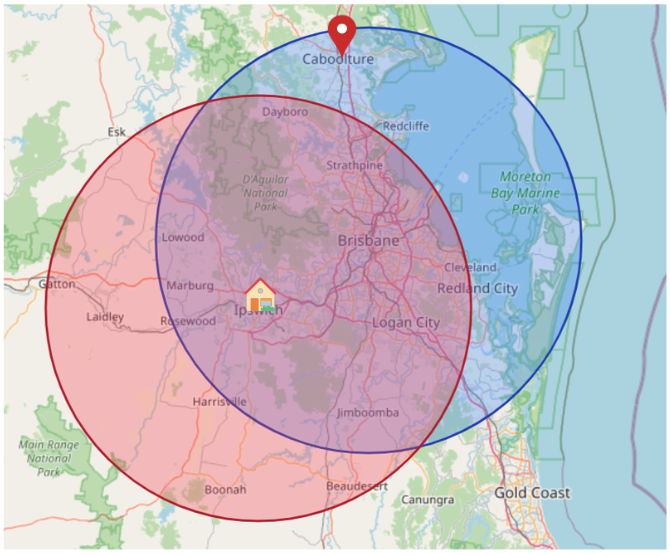
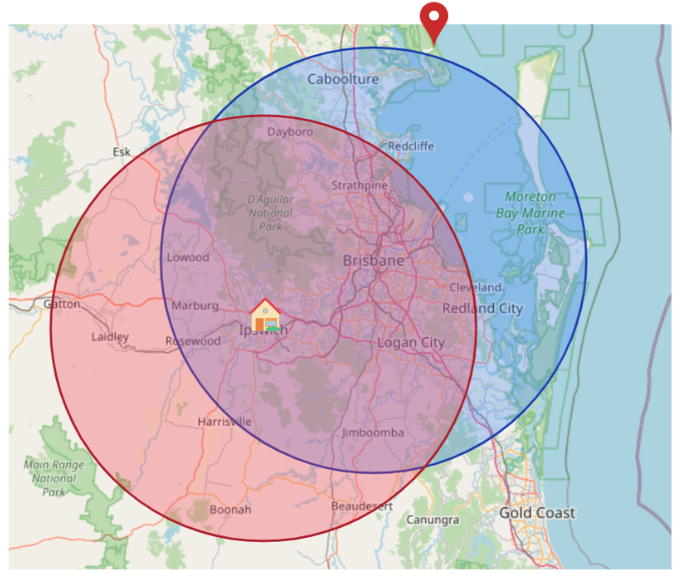
Employees in the building and construction industry often move between different job sites. Because of this, the Building and Construction General On-site Award 2020 provides specific allowances to compensate employees for additional travel and the change in work locations.